

Twist bottles are a popular choice for various applications, especially in the perfume and cosmetic industries. As a supplier of twist bottles, I've had the opportunity to work closely with different materials to understand their properties, advantages, and limitations. In this blog post, I'll delve into the materials commonly used to make twist bottles, exploring their characteristics and suitability for different uses.
Plastic
Plastic is one of the most widely used materials for twist bottles due to its versatility, affordability, and lightweight nature. There are several types of plastics commonly employed in the manufacturing of twist bottles, each with its own unique properties.
Polyethylene Terephthalate (PET)
PET is a clear, strong, and lightweight plastic that is commonly used for twist bottles. It is known for its excellent barrier properties, which help to protect the contents of the bottle from oxygen, moisture, and other environmental factors. PET is also recyclable, making it an environmentally friendly choice.
One of the key advantages of PET twist bottles is their transparency, which allows consumers to easily see the product inside. This is particularly important for products such as perfumes and cosmetics, where the appearance of the product is often a selling point. PET twist bottles are also resistant to shattering, making them a safer option compared to glass bottles.
However, PET does have some limitations. It is not as resistant to high temperatures as some other plastics, and it can be prone to scratching. Additionally, PET bottles may not be suitable for products that require a high level of chemical resistance.
High-Density Polyethylene (HDPE)
HDPE is a strong, durable plastic that is commonly used for twist bottles. It is known for its excellent chemical resistance, making it suitable for a wide range of products, including cleaning solutions, personal care products, and food items. HDPE is also resistant to impact and punctures, making it a reliable choice for products that may be subjected to rough handling.
One of the advantages of HDPE twist bottles is their opaque nature, which can help to protect light-sensitive products from degradation. HDPE bottles are also relatively inexpensive to produce, making them a cost-effective option for manufacturers.
However, HDPE is not as transparent as PET, which may limit its use for products where visibility is important. Additionally, HDPE bottles may not be as aesthetically pleasing as some other materials, which could be a consideration for products that are sold in a competitive market.

Polypropylene (PP)
PP is a lightweight, flexible plastic that is commonly used for twist bottles. It is known for its excellent chemical resistance and heat resistance, making it suitable for a wide range of products, including hot-fill liquids and products that require a high level of sterilization. PP is also resistant to fatigue and stress cracking, making it a reliable choice for products that may be subjected to repeated use.
One of the advantages of PP twist bottles is their flexibility, which can make them easier to squeeze and dispense the product. PP bottles are also relatively inexpensive to produce, making them a cost-effective option for manufacturers.
However, PP is not as transparent as PET, which may limit its use for products where visibility is important. Additionally, PP bottles may not be as resistant to UV light as some other materials, which could be a consideration for products that are exposed to sunlight.
Glass
Glass is a classic material that is commonly used for twist bottles, especially for high-end products such as perfumes and luxury cosmetics. Glass is known for its excellent clarity, durability, and chemical resistance, making it a popular choice for products that require a high level of protection and presentation.
One of the key advantages of glass twist bottles is their aesthetic appeal. Glass has a luxurious and elegant look that can enhance the perceived value of the product. Glass bottles are also resistant to scratching and can be easily recycled, making them an environmentally friendly option.
However, glass does have some limitations. It is heavier and more fragile than plastic, which can make it more expensive to transport and more prone to breakage. Glass bottles also require more energy to produce, which can have a greater impact on the environment.
Metal
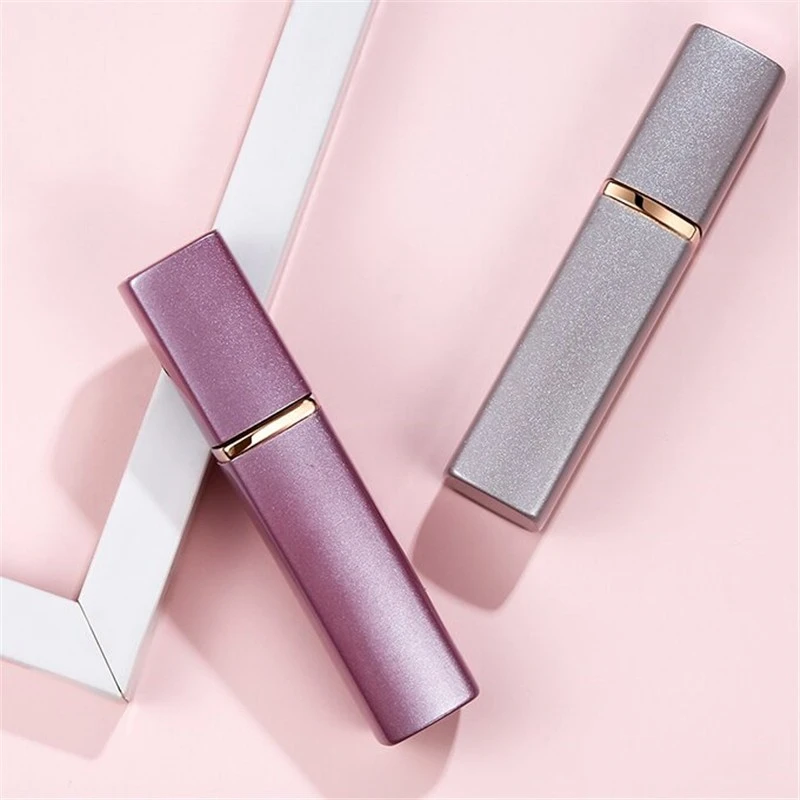
Metal is a less common material for twist bottles, but it is sometimes used for products that require a high level of durability and protection. Metal twist bottles are typically made from aluminum or stainless steel, which are both strong and lightweight.
One of the advantages of metal twist bottles is their resistance to corrosion and oxidation, making them suitable for products that require a high level of chemical resistance. Metal bottles are also durable and can withstand rough handling, making them a reliable choice for products that may be used in outdoor or industrial settings.
However, metal is more expensive than plastic and glass, which can make it a less cost-effective option for some products. Metal bottles are also heavier than plastic and glass, which can make them more difficult to transport.
Choosing the Right Material
When choosing the material for a twist bottle, there are several factors to consider, including the type of product, the intended use, the target market, and the budget. Here are some guidelines to help you make the right decision:
Product Type
The type of product that will be stored in the twist bottle is one of the most important factors to consider. Different materials have different levels of chemical resistance, which can affect the compatibility of the product with the bottle. For example, products that are acidic or alkaline may require a bottle that is made from a material that is resistant to corrosion.
Intended Use
The intended use of the twist bottle is another important factor to consider. If the bottle will be used for a product that will be exposed to sunlight or high temperatures, you may need to choose a material that is resistant to UV light or heat. If the bottle will be used for a product that will be squeezed or dispensed frequently, you may need to choose a material that is flexible and resistant to fatigue.
Target Market
The target market for the product is also an important factor to consider. If the product is aimed at a high-end market, you may want to choose a material that has a luxurious and elegant look, such as glass. If the product is aimed at a more budget-conscious market, you may want to choose a material that is more cost-effective, such as plastic.
Budget
The budget for the twist bottle is another important factor to consider. Different materials have different costs, which can affect the overall cost of the product. You may need to balance the cost of the material with the other factors, such as the product type, the intended use, and the target market.
Conclusion
In conclusion, twist bottles can be made from a variety of materials, each with its own unique properties, advantages, and limitations. Plastic is a popular choice for its versatility, affordability, and lightweight nature, while glass is a classic choice for its aesthetic appeal and durability. Metal is a less common choice, but it can be a good option for products that require a high level of durability and protection.
As a supplier of twist bottles, I understand the importance of choosing the right material for your product. I offer a wide range of twist bottles made from different materials, including PET, HDPE, PP, glass, and metal. Whether you're looking for a high-end perfume bottle or a cost-effective solution for your cleaning products, I can help you find the perfect twist bottle for your needs.
If you're interested in learning more about our twist bottles or would like to discuss your specific requirements, please don't hesitate to contact me. I'm always happy to help and look forward to working with you.
References
- "Plastic Bottles: Types, Advantages, and Disadvantages." Plastic Recycling, https://www.plasticrecycling.org.uk/plastic-bottles-types-advantages-and-disadvantages/.
- "Glass Bottles: Benefits and Drawbacks." Glass Packaging Institute, https://www.gpi.org/glass-packaging/benefits-and-drawbacks/.
- "Metal Packaging: Advantages and Disadvantages." Metal Packaging Manufacturers Association, https://www.metalpackaging.org.uk/metal-packaging-advantages-and-disadvantages/.
