

When it comes to the world of perfumes, small perfume spray bottles play a crucial role. As a trusted supplier of Small Cologne Spray Bottles, Small Cosmetic Spray Bottles, and Empty Perfume Atomizer, I understand the importance of ensuring these bottles are working properly. In this blog post, I'll share some comprehensive methods to check if a small perfume spray bottle is functioning as expected.

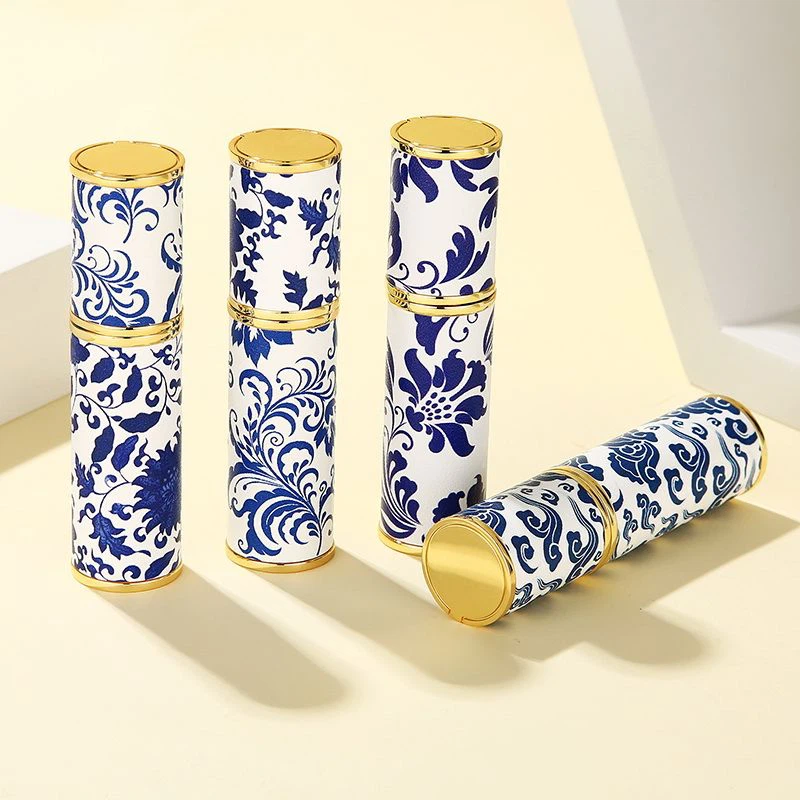
Initial Visual Inspection
The first step in checking a small perfume spray bottle is a simple visual inspection. Start by examining the exterior of the bottle. Look for any visible cracks, dents, or scratches on the glass or plastic. Even a small crack can lead to leakage, which not only wastes the precious perfume but can also cause a mess. Check the cap and the spray nozzle as well. The cap should fit snugly without any signs of looseness. A loose cap can allow air to enter the bottle, which may affect the quality of the perfume over time. The spray nozzle should be clean and free from any blockages. If there is any debris or dried perfume on the nozzle, it could prevent the proper spraying of the perfume.
Testing the Spray Pattern
Once the visual inspection is complete, it's time to test the spray pattern. Fill the bottle with water (it's a good alternative to perfume for testing purposes) and hold the bottle upright. Press the spray nozzle firmly and observe the spray pattern. A properly functioning small perfume spray bottle should produce a fine, even mist. If the spray is uneven, coming out in drops, or there are gaps in the pattern, it may indicate a problem with the nozzle. Sometimes, the nozzle can get clogged with residue, especially if the perfume contains thick ingredients. In such cases, you can try cleaning the nozzle by soaking it in warm, soapy water for a few minutes and then rinsing it thoroughly. After cleaning, test the spray pattern again to see if the issue has been resolved.
Pressure Check
The pressure inside the small perfume spray bottle is another important factor. A good spray bottle should have enough pressure to create the desired spray. To check the pressure, fill the bottle with water and hold it at a 45 - degree angle. Press the spray nozzle repeatedly. If the pressure is too low, the spray may be weak and not cover a wide area. On the other hand, if the pressure is too high, the spray may be too forceful and cause the perfume to be wasted. Sometimes, the pressure can be affected by the design of the bottle or the condition of the internal parts. If you notice that the pressure is not right, it could be due to a damaged pump or a problem with the valve.
Leakage Test
Leakage is a common issue with small perfume spray bottles. To conduct a leakage test, fill the bottle with water and close it tightly. Then, turn the bottle upside down and shake it gently. Check if there are any signs of water leaking from the cap, the nozzle, or the base of the bottle. If you find any leakage, it's a clear indication that the bottle is not working properly. Leakage can be caused by a faulty seal, a damaged cap, or a crack in the bottle. In some cases, tightening the cap or replacing the seal can solve the problem.
Compatibility with Perfume Ingredients
Not all small perfume spray bottles are compatible with all types of perfume ingredients. Some perfumes contain alcohol, essential oils, or other chemicals that can react with the materials of the bottle. For example, certain plastics may be affected by alcohol, causing the bottle to degrade over time. As a supplier, we ensure that our Small Cologne Spray Bottles, Small Cosmetic Spray Bottles, and Empty Perfume Atomizer are made from materials that are resistant to a wide range of perfume ingredients. However, it's still important to test the bottle with a small amount of the perfume before filling it completely. This can help you avoid any potential problems such as discoloration, corrosion, or changes in the perfume's scent.
Long - Term Performance
In addition to the initial checks, it's also important to consider the long - term performance of the small perfume spray bottle. A high - quality bottle should be able to maintain its functionality over time. If you're using the bottle regularly, pay attention to any changes in the spray pattern, pressure, or leakage. Keep an eye on the condition of the bottle, including the appearance of the glass or plastic, the tightness of the cap, and the cleanliness of the nozzle. Regular cleaning and proper storage can help extend the lifespan of the bottle. For example, storing the bottle in a cool, dry place away from direct sunlight can prevent the perfume from evaporating too quickly and also protect the bottle from damage.
Importance of Quality Assurance
As a supplier, we take quality assurance very seriously. We understand that our customers rely on us to provide small perfume spray bottles that are not only aesthetically pleasing but also function properly. That's why we conduct rigorous testing on all our products before they are shipped out. Our testing process includes visual inspections, spray pattern tests, pressure checks, leakage tests, and compatibility tests. We also ensure that our products meet all the relevant industry standards and regulations. By doing so, we can guarantee that our customers receive high - quality small perfume spray bottles that will enhance their perfume experience.
Conclusion and Call to Action
Checking if a small perfume spray bottle is working properly is essential for both consumers and suppliers. By following the methods outlined in this blog post, you can easily determine if a bottle is functioning as it should. As a leading supplier of Small Cologne Spray Bottles, Small Cosmetic Spray Bottles, and Empty Perfume Atomizer, we are committed to providing the highest quality products. If you're interested in purchasing our small perfume spray bottles or have any questions about our products, please feel free to contact us for a procurement discussion. We look forward to serving you and helping you find the perfect small perfume spray bottles for your needs.
References
- "Perfume Packaging and Dispensing: A Guide for Industry Professionals", Wiley - Blackwell
- "The Science of Perfume", Oxford University Press