

Hey there! As a supplier of pocket atomizers, I often get some pretty interesting questions from customers. One that recently popped up is, "Can a pocket atomizer be used underwater?" It's a curious query, and in this blog, I'll dig deep into this topic to give you all the info you need.
First off, let's understand what a pocket atomizer is. A pocket atomizer is a nifty little device designed to hold and dispense liquids in a fine mist. They're super convenient, small enough to fit in your pocket, and are commonly used for perfumes, essential oils, or other liquid substances. For example, our Mini Travel Cologne Bottle is a popular choice among travelers who want to carry their favorite scents on the go. It's compact, stylish, and does a great job of atomizing the perfume.
Now, let's think about using it underwater. When we talk about using a device underwater, we need to consider a few key factors: water resistance, pressure, and the functionality of the atomizer itself.
Water Resistance
Most pocket atomizers aren't built to be water - resistant. They're designed to be used in normal, dry environments. The materials used in their construction, like plastic, metal, and rubber components, might not hold up well when exposed to water for extended periods. Water can seep into the atomizer, causing corrosion of metal parts, swelling of rubber seals, and damage to internal mechanisms.
For instance, if water gets into the nozzle of the atomizer, it can clog it up. The fine holes in the nozzle are designed to create a mist by forcing the liquid through under pressure. If water fills these holes, it disrupts the atomization process. And over time, the presence of water can cause rust and other forms of degradation, making the atomizer useless.
Pressure
Underwater, there's an increase in pressure as you go deeper. This pressure can have a significant impact on the pocket atomizer. The internal components of the atomizer are calibrated to work under normal atmospheric pressure. When you take it underwater, the external pressure can compress the atomizer and its contents.
Let's say you have a The Pocket Perfume Bottle filled with perfume. The pressure underwater can force the perfume out in an uncontrolled way. Instead of a fine mist, you might get a sudden gush of liquid. And if the pressure is too high, it could even damage the atomizer's structure, causing it to break or leak.
Functionality
The basic functionality of a pocket atomizer relies on a pump or a valve system to draw the liquid up and force it out as a mist. Underwater, these mechanisms might not work as intended. Water can interfere with the movement of the pump or valve, preventing it from drawing the liquid properly.
For example, the suction action of the pump might be disrupted by the presence of water. The pump is designed to create a vacuum to draw the liquid from the reservoir. But if there's water around it, the pressure balance is disturbed, and the pump might not be able to function correctly.

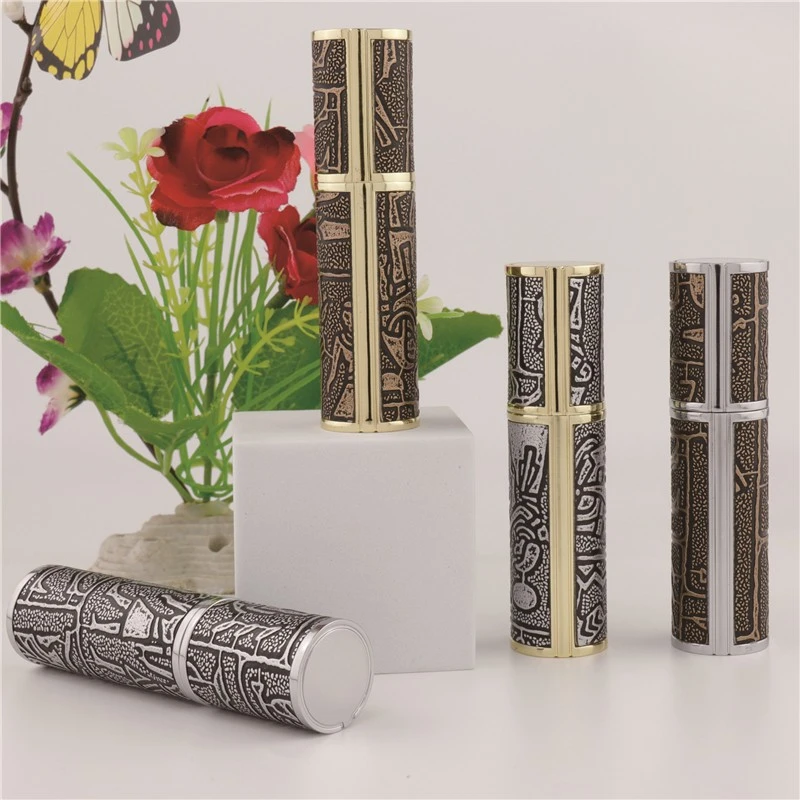
However, it's not completely impossible to use a pocket atomizer underwater in some cases. There are a few specialized pocket atomizers that are designed to be more water - resistant. These are usually made with high - quality, water - proof materials and have sealed compartments to protect the internal components. But these are rare and not the standard pocket atomizers you'll find on the market.
Another option is to use the pocket atomizer in very shallow water, like just at the water's surface. In this situation, the pressure difference is minimal, and the risk of water damage is relatively low. But even then, you need to be careful. A splash of water could still get into the atomizer and cause problems.
If you're in the market for a pocket atomizer, you might also be interested in Perfume Decant Bottles. These are great for transferring your favorite perfumes into smaller, more portable containers. They're often used in conjunction with pocket atomizers to make sure you always have your signature scent with you.
In conclusion, while the idea of using a pocket atomizer underwater might seem cool, it's generally not a good idea for most standard pocket atomizers. The risk of damage to the atomizer and the disruption of its functionality are quite high. But if you have a specific need for an underwater - capable atomizer, you should look for specialized products.
If you're interested in our pocket atomizers or any of our other perfume - related products, we'd love to hear from you. Whether you're a retailer looking to stock our products or an individual looking for a high - quality pocket atomizer, we're here to assist you. Reach out to us for more information and to start a purchase negotiation. We're confident that our products will meet your needs and exceed your expectations.
References
- Physics of Underwater Pressure. Physics textbooks on fluid mechanics.
- Material Properties of Pocket Atomizers. Manufacturer specifications and industry research on plastic, metal, and rubber materials used in atomizer construction.